「クテ打組紐技法入門」シリーズから源氏打ちBBCCを取り上げます。初期の配色設定は以下の通りです。
(ア) ①②①②①② ②①②①②①
左手 右手
左右対称です。これを非対称にすると、
(イ) ①②①②①② ①②①②①②
がらりと変わります。紐は丸みを帯びていますが、ループ数が偶数なので、右手側面がやや広く、左手側面はそれよりは狭くなっています。巾着の紐などにちょうどいいですね。
写真の一番上の茶と黄色の紐は、途中で(ア)から(イ)に変え、また(ア)に戻りました。ループの配置を変える時は、1度に変えるのではなく、組みながら順に変えていった方が、仕上がりに無理がなく滑らかになります。
3色でやってみました。
(ウ) ①①①①①① ②③②③②③
(エ) ①①①①①① ③②③②③②
写真2番目の緑、ピンク、グレーの紐は、最初は(ウ)で②のグレーが右側面に来ました。(エ)にすると、③のピンクが右側面に来ました。
次は4色です。
(オ) ①②①②①② ③④③④③④
(カ) ①②①②①② ④③④③④③
左右の側面には左右同じ色(単色)の矢羽根ができ、上下の面には左右異なる色の矢羽根ができます。これを全て単色の矢羽根にできないかと考えたのが一番下です。
(キ) ①②①②①② ③①③①③①
④②④②④② ③④③④③④
① と④の2色ループを6本、単色ループ②と③をそれぞれ3本ずつ使っています。
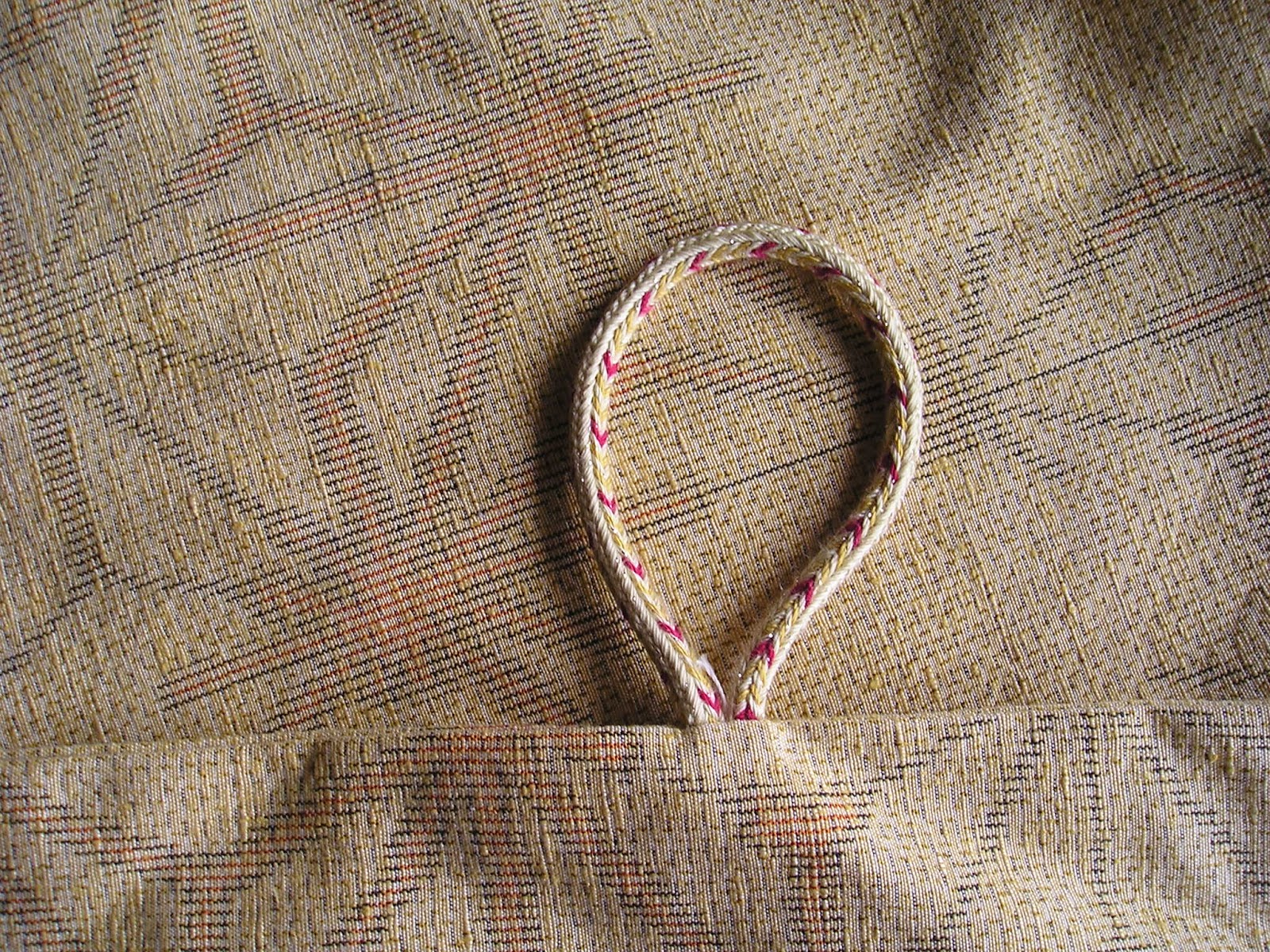
応用作品です。紬の着物地でスカーフを作りました。スカーフが滑ってこないように、源氏打ちの紐を肩の辺りに縫い付けました。
(ク) ①①①②①① ②①①①③①
いつもはコットンキングを使っていますが、この時は幡垂飾を組んだ残りのハマナカのアプリコを使いました。ベージュは金ラメ入りです。
We try Genjiuchi BBCC from the book “Introduction to Kute-uchi Kumihimo Technique”. The initial color arrangements are as follows.
A) ①②①②①② ②①②①②①
Left Right
Bilaterally symmetric. We can change it slightly like this.
B) ①②①②①② ①②①②①②
The pattern changes dramatically. The braid is round, but since the number of the loops is even, right hand side is a little wider than the left hand side. The braid is ideal for drawstring purses.
To make the top brown and yellow braid, first I did A) then B) and back to A) again. When you change loop positions, I recommend that you change loop positions one by one as you braid, rather than you change all the loops at once. That way, the finished braid looks better.
The second one in green, pink and grey started like this.
C) ①①①①①① ②③②③②③
D) ①①①①①① ③②③②③②
The grey② came to the right hand side when I started C), and the pink③ came to the right hand side when I changed to D).
Then four colors.
E) ①②①②①② ③④③④③④
F) ①②①②①② ④③④③④③
On both sides we have two single-color chevrons alternately, and on top and bottom we have chevrons with different colors on right and left. I wanted to have 4 single-color chevrons and came up with the following:
G) ①②①②①② ③①③①③①
④②④②④② ③④③④③④
I used 6 bi-color (① and ④) loops, and 3 single-color loops in ② and ③ each.
Here is a scarf I made with kimono material. I attached a BBCC braid at around the shoulder so that the scarf does not slip down.
H) ①①①②①① ②①①①③①
Though I usually use Cotton King, this time I used Aprico from Hamanaka that I bought to make Bansuishoku in April.